Buying Property in Morocco: Essential Steps and Key Considerations
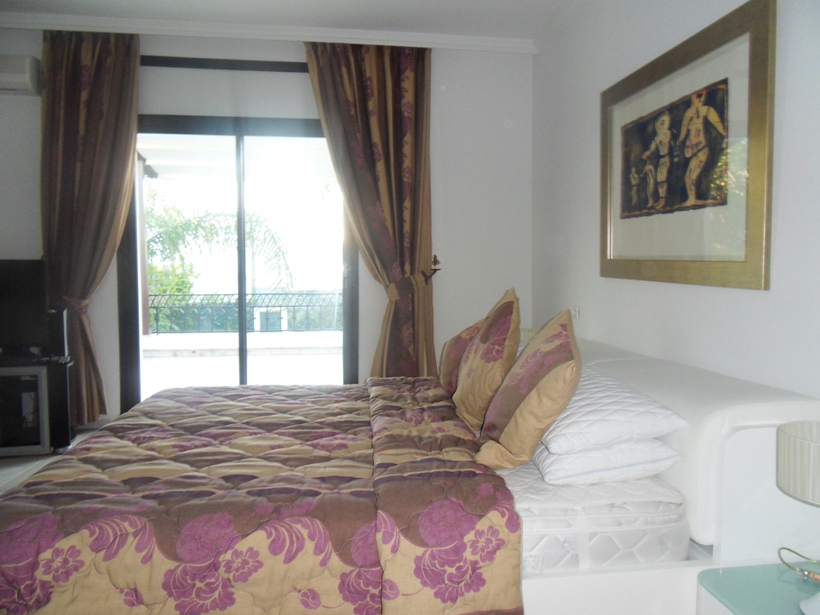
A successful property purchase begins well before the final signature. In Northern Morocco, the diversity of available properties — apartments, villas, riads, land and coastal homes — requires an assessment tailored to each situation. The support of a notary and professionals who understand the local market remains essential.
1. Define the project and the total budget
Start by clarifying how the property will be used: a primary residence, holiday home, rental investment or long-term wealth asset. The budget should include the purchase price, acquisition costs, any renovation work, furnishing and future charges. If financing is required, obtain an initial indication from your bank before moving to advanced viewings.
2. Select the area and property type
A property’s value depends as much on its location as on its floor area. Access, surroundings, orientation, the quality of the residence, parking, distance from services and year-round activity all affect its use and resale potential. A careful technical visit helps prevent decisions based on photographs alone.
3. Verify the legal status
Before making any commitment, the notary should verify the seller’s ownership, the land-registration status, any existing registrations or charges, and the consistency of the documents. For a condominium, it is also advisable to review service charges, regulations and recent decisions. Riads, land and older properties require particular attention.
4. Structure the offer and preliminary agreement
The price, deadlines, conditions precedent, included items and payment terms should be clearly documented. Do not transfer any substantial amount without a written document, verified beneficiary details and approval from the professional responsible for securing the transaction.
5. Arrange financing and preserve the traceability of funds
Clients residing abroad should prepare the required banking documents and retain a clear record of all transfers. As foreign-exchange and repatriation rules may depend on the buyer’s profile and the transaction, seek personalised banking and legal advice before making payment.
6. Sign, register and take possession
Once the checks have been completed and the final deed signed, the required registration and conservation formalities must be carried out. The handover of keys should ideally include meter readings, an inventory when the property is furnished, and a clear transfer of contracts and access credentials.
The role of Cap Nord Properties
We organise the search, viewings, negotiation and coordination with the professionals selected by the client. Our role is to make the process clearer without replacing legal, tax or notarial advice.
This content is for general information only and does not constitute legal or tax advice. Every transaction should be reviewed by qualified professionals.
Discuss your acquisition project or view available properties.